Matsubokkuri
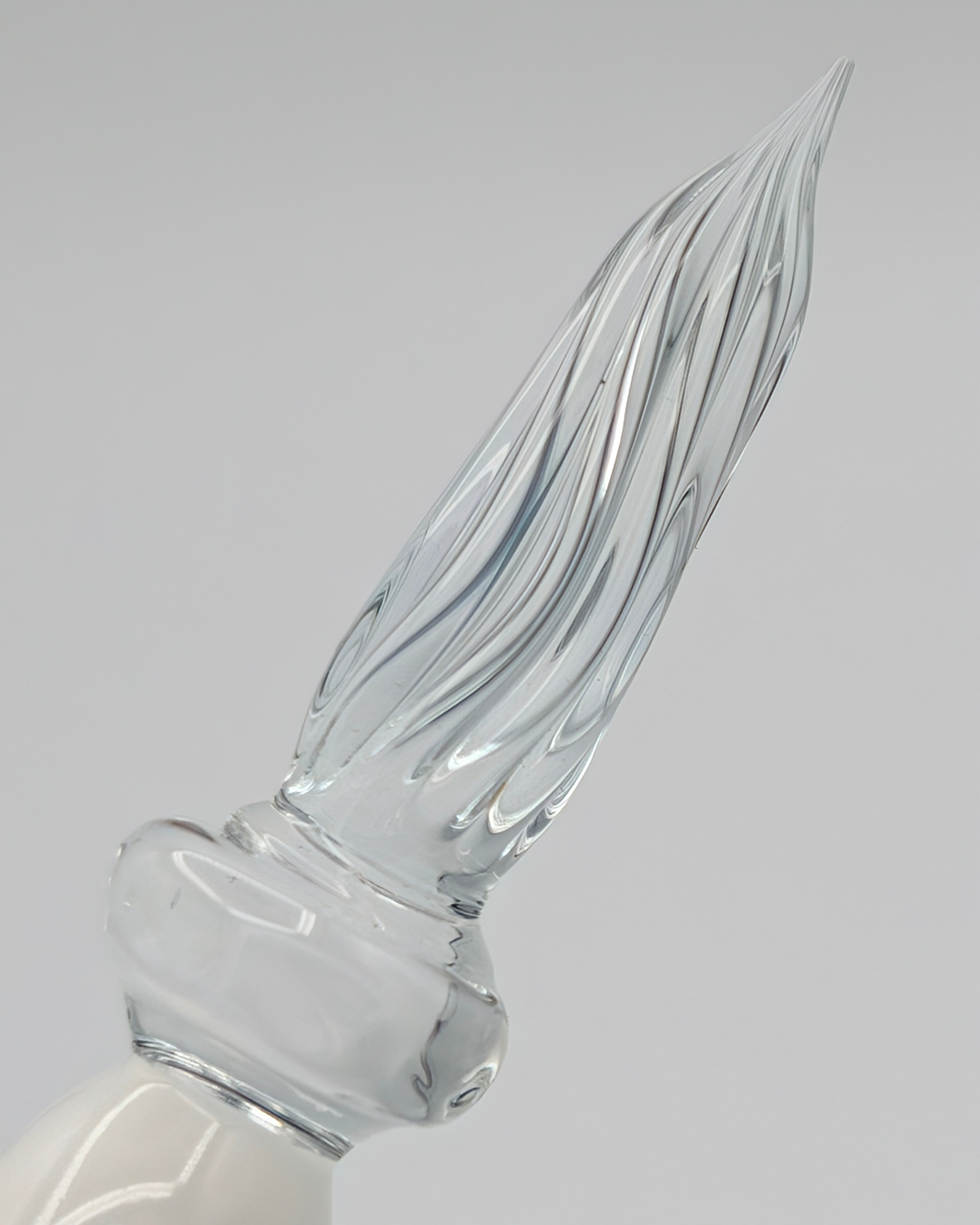
Matsubokkuri - Maki-e Takane-bara (White) | Glass Pen
Matsubokkuri - Maki-e Takane-bara (White) | Glass Pen
🔒 Secure payment · 📦 30-day return (unopened items) · ✉️ Questions? hi@shosai.ca
Couldn't load pickup availability
Most roses are bred for gardens; this one isn’t. Takane-bara grows wild only at altitude, on exposed rock faces too harsh for most other shrubs, and the flower painted on this shaft is a wild species rather than a cultivated variety. The maroon-red petals are built up in layered lacquer, with fine gold threads worked into the stamens at the flower’s centre and along the stems — a different palette and a different kind of brushwork from the single-tone florals elsewhere in Matsubokkuri’s maki-e line.
A Rose That Grows on Bare Rock
Takane-bara (タカネバラ, Rosa nipponensis) is a low, branching deciduous shrub found on the high mountains of central and northern Honshu and on Mount Tsurugi in Shikoku, typically rooted in serpentine, limestone, or volcanic rock at elevations most plants can’t tolerate. It flowers from June to July, opening reddish-purple, five-petaled blooms around 3.5 to 5cm across at the tips of its branches, then sets oval, pear-shaped rosehips that ripen deep red by late summer. The name literally translates to “high-peak rose” — a plant that stakes its claim above the treeline rather than in a garden bed.
Wajima Lacquer, Painted by Hand
The decoration technique is maki-e (蒔絵), “sprinkled picture”: an artisan paints the design in lacquer, then dusts fine gold or silver powder onto it before it fully sets, building the metallic sheen in layers. On this white shaft, the deep red of the petals sits against a pale ground, with gold worked into the stamens and leaf veins rather than across the whole motif — a more selective use of metal than a fully gilded design. Wajima, on Japan’s Noto Peninsula, has been a centre for this lacquer tradition for centuries, and Matsubokkuri commissions its maki-e pens from artisans trained in it.
The Pen Itself
This white-shaft version is available only with an F (fine, roughly 0.2–0.3mm) nib — Matsubokkuri’s maki-e series is produced in this single width across every flower design, since the focus is the painted artwork rather than a choice of line weight. Each pen is crafted to order, so expect a short wait between purchase and dispatch.
Specifications
- Shaft colour: White
- Nib width: Fine (F) only
- Decoration: Hand-painted maki-e lacquer by a Wajima-trained artisan
- Material: Borosilicate glass body, lacquer, gold powder
- Made in Japan, crafted to order
Using and Caring for a Maki-e Glass Pen
Dip the nib fully before writing; the spiral-cut grooves hold enough ink for several lines per dip. Rinse the nib under lukewarm water after use, but keep water and solvents away from the painted shaft itself — wipe the lacquered surface with a soft, dry cloth rather than washing it, since repeated moisture can dull the gold over time.
Frequently Asked Questions
Is takane-bara the same as a garden rose?
No. It’s a wild, high-altitude species that grows on exposed mountain rock across central and northern Japan, distinct from cultivated garden roses in both habitat and form.
Why is this pen only available in one nib size?
The maki-e series is painted to showcase the lacquer artwork itself, so Matsubokkuri offers it in a single fine nib across every flower design rather than a range of widths.
Bilingual service — English and French.
Share